

Millet prices in Bengaluru change every day, driven by local mandi arrivals, quality differences, and shifting demand from retail buyers, millers, and health-focused consumers. For bulk purchasers, these fluctuations make planning difficult, especially when sourcing multiple varieties like foxtail, little, kodo, barnyard, ragi, bajra, and jowar.
This guide provides a clear view of today’s millet prices in Bengaluru, the key market forces that influence daily rates, and the procurement risks buyers face when relying solely on local sources.
Key Takeaways
Bengaluru’s millet prices shift daily due to mandi arrivals, weather delays, and miller demand.
Quality varies sharply across local markets, especially for foxtail, little, and kodo millet.
Buyers face four major risks: inconsistent quality, price volatility, weak traceability, and uneven grading.
Choosing good millets requires checking grain uniformity, moisture, cleaning quality, and batch transparency.
Grain Trader India offers stable pricing, premium-grade quality, nationwide sourcing, and end-to-end supply reliability for Bengaluru buyers.
Today’s Millet Prices in Bengaluru
Millet | 1 KG Price | 10 KG Price | 100 KG (Quintal) | 1000 KG (Ton) |
|---|---|---|---|---|
₹ 28.3 | ₹ 283.0 | ₹ 2830.0 | ₹ 28300.0 | |
₹ 28.7 | ₹ 287.0 | ₹ 2870.0 | ₹ 28700.0 | |
₹ 37.9 | ₹ 379.0 | ₹ 3790.0 | ₹ 37900.0 | |
₹ 22.9 | ₹ 229.0 | ₹ 2290.0 | ₹ 22900.0 | |
₹ 25.5 | ₹ 255.0 | ₹ 2550.0 | ₹ 25500.0 | |
₹ 22.2 | ₹ 222.0 | ₹ 2220.0 | ₹ 22200.0 | |
₹ 38.0 | ₹ 380.0 | ₹ 3800.0 | ₹ 38000.0 |
Bengaluru Market Dynamics: What Drives Daily Price Changes

Millet rates in Bengaluru rarely stay the same for long. Daily arrivals at Yeshwanthpur, KR Market, and Singasandra mandis, combined with demand from millers, retailers, and health-focused buyers, create constant movement across all varieties.
The sections below explain the main forces behind these fluctuations and how each one pushes rates up or down.
Impact of Daily Mandi Arrivals
Daily arrivals shape the baseline price for most millet varieties. When the morning lots at Yeshwanthpur, KR Market, or Singasandra are low in volume or inconsistent in quality, the entire day’s pricing shifts upward. When arrivals are strong, rates stabilise quickly. This one factor alone causes the most visible day-to-day movements.
Effect of Weather, Transport, and Demand Surges
Weather and logistics disruptions often create sudden volatility that lasts several days. Even short delays affect Bengaluru’s reliance on interstate movement. When transport slows down or demand spikes across the city, buyers feel the impact almost immediately.
Role of Millers and Bulk Buyers in Price Swings
Large-volume purchasing by millers and institutional buyers significantly shapes short-term pricing. Since they buy in bulk, any sudden upward or downward movement in their demand changes the flow of stock across Bengaluru’s markets.
Influence of Festival Seasons and Health-Driven Demand
Consumer behaviour in Bengaluru plays a significant role in demand cycles. Festival months increase the requirement for clean, unpolished millets, while the city’s strong fitness culture drives consistent consumption throughout the year.
Procurement Risks in Bengaluru’s Local Market
Local millet procurement in Bengaluru offers convenience, but it also exposes buyers to several operational and quality-related risks. These risks become more visible when sourcing from multiple mandis or relying on small traders without consistent supply chains. The sections below explain the key challenges and why they affect pricing and reliability for bulk buyers.
1. Quality Inconsistency and Adulteration Issues
Quality varies widely across daily arrivals, and buyers often face uncertainty when sourcing from open-market lots. The gap between premium and mid-grade grain increases this risk, especially for foxtail, little, and kodo millet.
The points below show the most common issues buyers encounter.
Presence of stones, dust, and broken grain.
Adulteration with cheaper varieties.
Moisture variations that affect storage stability.
Mixed lots with no uniformity in size or colour.
2. Frequent Rate Fluctuations
Bengaluru’s wholesale markets experience sharp day-to-day changes because prices are linked to arrivals, regional supply conditions, and sudden spikes in demand. These fluctuations make it hard for buyers to plan procurement or lock in consistent pricing.
The key drivers include:
High dependency on interstate supplies.
Seasonal demand affecting retail and online sales.
Short-term shortages triggered by millers' purchasing in bulk.
Unpredictable price jumps during low-arrival weeks.
3. Limited Batch Traceability
Traceability is often weak in unorganised market channels. Buyers rarely receive complete information about the source, storage conditions, or harvesting date of each lot. This creates uncertainty in quality assurance. The points below highlight the main gaps.
No reliable records on farm origin.
Lack of batch-level documentation.
Inconsistent handling and storage.
Limited visibility into supply-chain movement.
4. Lack of Standardised Grading
Grading standards are not uniformly followed across local markets, which makes it difficult to compare prices across vendors. These gaps create inconsistency in both pricing and quality assessment. The issues below are most common.
Sellers use their own grade labels instead of uniform standards.
Premium-grade claims often lack proper verification.
Customers must manually inspect lots to confirm grain size and purity.
Varying cleaning and sorting levels across suppliers.
How to Choose Good Millets For Your Operation
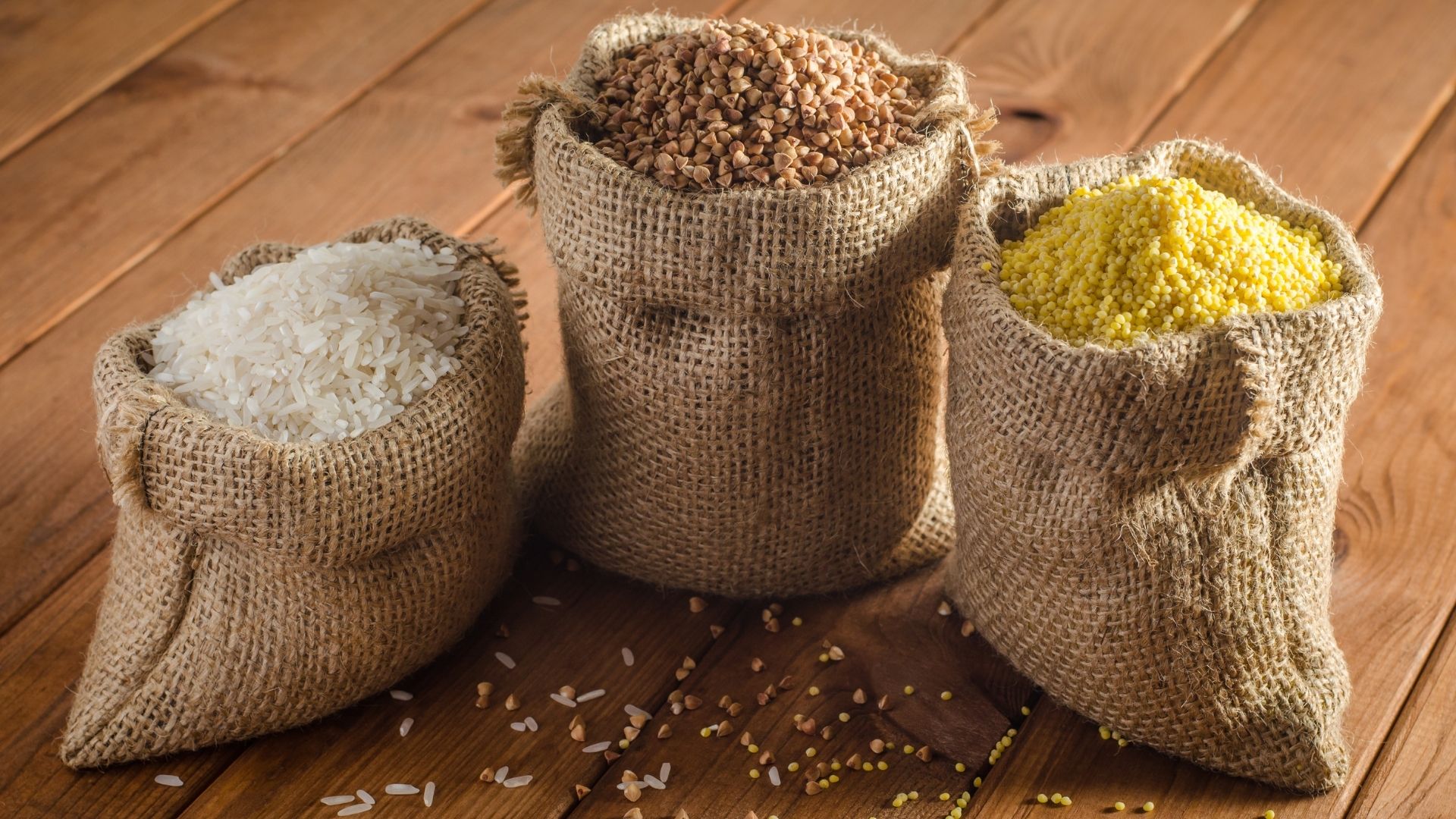
Selecting high-quality millets is essential for maintaining consistency in taste, nutrition, cooking performance, and storage life. Bengaluru’s markets offer a wide range of options, but quality varies sharply across vendors, grades, and daily arrival lots.
Here is how to evaluate millets effectively and avoid common procurement issues.
Check Grain Uniformity
Uniformity is one of the clearest indicators of quality. Consistent grain size, shape, and colour show proper cleaning and sorting. Before buying in bulk, assess the lot using the points below:
Grains should be even in size, with few broken pieces.
Colour should be consistent, not patchy or dull.
The presence of foreign particles indicates lower sorting quality.
Avoid lots with mixed varieties.
Examine Moisture levels
Moisture directly affects storage stability and shelf life. High-moisture lots spoil faster and attract insects. When inspecting millets, keep these factors in mind:
Grains should feel dry and free-flowing.
A damp or clumpy texture indicates poor drying.
Fresh harvests often contain higher moisture and need additional drying.
Avoid lots stored in humid environments.
Prefer unpolished millets
Unpolished millets retain more fibre and nutrients. Polished versions may look cleaner, but often lose valuable layers during processing. The checks below help identify the right type:
Unpolished grains have a slightly rough texture.
Colour appears more natural, not overly shiny.
Polished grains may feel too smooth or glossy.
Always confirm the polishing status with the supplier.
Verify Cleaning and Sorting Quality
Properly cleaned millets reduce cooking time, improve taste, and minimise wastage. Inconsistent cleaning increases impurities and reduces overall value. Look for these markers:
Minimal dust or husk residues.
Very few stones or foreign particles.
Grains that appear evenly sorted by size.
Mechanical cleaning marks often indicate better processing standards.
Ask for Batch Transparency
Transparency helps you understand the origin and reliability of each lot. Reputable suppliers provide traceability details readily.
Confirm the state and region of origin.
Ask for the harvesting month.
Check batch-level documentation.
Prefer suppliers who maintain consistent sourcing relationships.
Test Small Samples Before Bulk Orders
Sampling reduces risk when purchasing from new vendors or trying unfamiliar varieties.
Evaluate texture and cooking time.
Look for uniform absorption of water while processing.
Compare with known high-quality lots.
Why Bengaluru Buyers Choose Grain Trader India

Sourcing millets in Bengaluru becomes easier and more predictable when your supplier brings scale, consistency, and verified quality to every batch. Grain Trader India gives buyers a structured, risk-free way to procure millets without dealing with daily mandi fluctuations or inconsistent lot quality.
If you want stable pricing, batch transparency, and premium-grade millets delivered without uncertainty, this is the right time to partner with a national-level supplier.
What you gain when you source from Grain Trader India
Premium quality assurance backed by strict National Quality Standards and comprehensive testing of every lot.
End-to-end supply reliability supported by twelve years of procurement experience and operations across twenty-eight states.
Consistent, competitive pricing is enabled by large-scale sourcing and efficient supply chains.
Custom solutions and flexible packaging designed for retailers, processors, exporters, and distributors.
Get steady millet pricing, predictable supply, and verified-grade quality for all your Bengaluru requirements. Connect with Grain Trader India to secure your next bulk order.
Conclusion
Millet prices in Bengaluru shift daily because the market depends on mandi arrivals, transport conditions, miller demand, and citywide consumption trends. For buyers sourcing multiple varieties, these fluctuations create challenges around cost planning, quality consistency, and reliable supply.
Working with a supplier that offers verified quality, transparent batches, and stable pricing removes these uncertainties entirely. Grain Trader India provides that level of consistency for Bengaluru buyers.
Secure premium-grade millets at stable, competitive prices for your Bengaluru operations. Partner with Grain Trader India for verified quality, dependable supply, and national-scale sourcing support.
FAQs
1. What is the average price of millets in Bengaluru today?
Prices change daily based on mandi arrivals, interstate supply, and demand from millers. Rates for common varieties like foxtail, kodo, and little millet typically shift more than ragi or jowar. Checking daily wholesale updates gives the most accurate picture.
2. Why do millet prices vary so much between wholesale and retail markets?
Wholesale prices depend on arrivals and bulk buying activity, while retail pricing includes cleaning, sorting, packaging, and brand margins. Bengaluru’s strong health-driven demand also makes retail prices consistently higher.
3. Which millet is most in demand in Bengaluru?
Foxtail millet, little millet, and ragi see the highest year-round demand due to household consumption, processing requirements, and value-added product manufacturing.
4. How do I identify good-quality millets in the market?
Look for uniform grain size, natural colour, low moisture, and minimal impurities. Unpolished, well-cleaned grains offer better nutrition and storage stability. Sampling before bulk procurement helps confirm consistency.
5. Is it better to buy millets directly from mandis or through a verified supplier?
Mandis offer variety but come with quality variation, price volatility, and limited traceability. Verified suppliers ensure consistent grades, lab-tested lots, stable pricing, and reliable fulfilment, which matters for bulk and repeat buyers.